
You don’t need a military schedule to be consistent. You need enough structure to show up and enough freedom to not hate your own calendar. If routines feel like handcuffs, let’s build discipline that bends.
Think “rails you can slide on,” not walls you smash into.
Discipline vs. Rigid Routine: Know the Difference
Discipline means you keep promises to yourself. Rigid routines demand you do it the same way every time or else.
See the problem? Life throws curveballs daily. Flexible discipline sets a clear intention and leaves room for how you get there. You create a few constraints that make action easier than procrastination. No guilt.
Just momentum.
Design a Minimum Viable Practice (MVP)
You don’t need a two-hour ritual with chanting and artisanal tea. You need a tiny, reliable behavior that always “counts.” That’s your MVP.
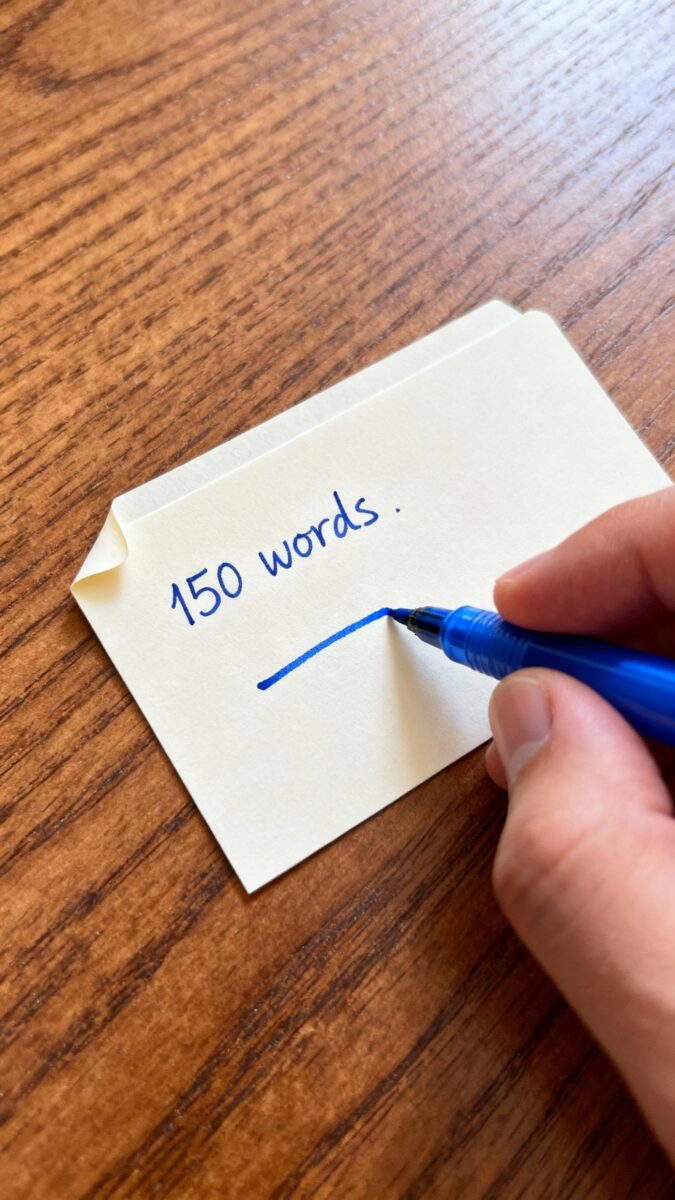
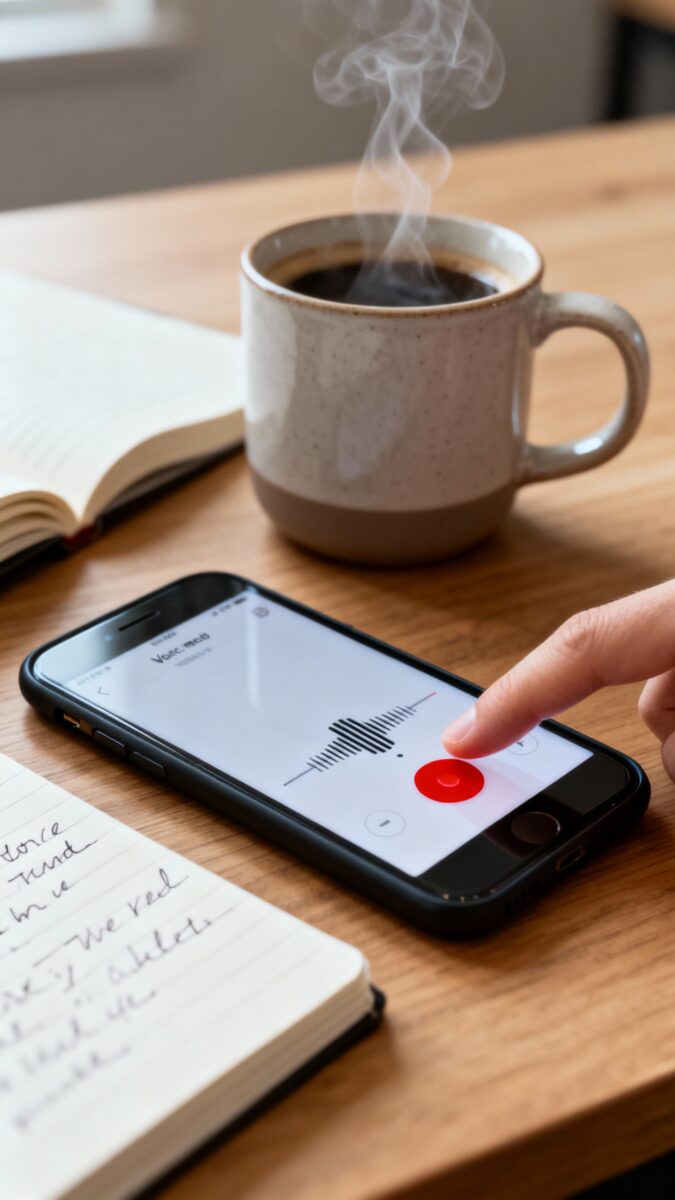
- Pick one action that fits into 10 minutes or less. Examples: write 150 words, sketch one thumbnail, record 60 seconds of voice notes, edit one clip.
- Make it specific and binary. Either you did it or you didn’t. No vibe checks.
- Create a “done anywhere” version. Phone note, index card, voice memo—no excuses about fancy gear.
Why MVPs Work
You skip the “ugh, I don’t have time” story.
Small tasks remove friction. Consistency builds identity, and identity fuels bigger creative reps. FYI: you can ship a lot with 150 words a day.

Use Time Windows, Not Exact Times
Instead of “write at 6:00 AM,” choose a window: morning, afternoon, or evening. You still protect time, but you dodge the shame spiral when 6:00 becomes 6:37.
- Pick a primary window. Example: “I create before noon.”
- Set a backup window. “If I miss morning, I do it between 4–7 PM.”
- Link to existing anchors. After coffee, before lunch, right after the school drop-off—anchors beat alarms IMO.
Advanced: The 2-of-3 Rule
Plan three windows across your week and hit any two.
This keeps momentum when life goes sideways. You build the habit of recovery, not just perfection.
Build a Simple Creative Pipeline
Creators stall because every session starts from zero. Fix that with a pipeline: idea capture → draft → refine → publish.
Keep work-in-progress items flowing instead of reinventing daily.
- Idea capture: a single running doc or note inbox. No fancy folders. Just dump.
- Draft queue: pick 3–5 items you’re actively shaping.
- Refine queue: pieces you’re editing or polishing.
- Publish queue: ready to ship when the window hits.
Session Types Beat “What Should I Do?”
Label sessions by mode:
- Collect (find ideas, notes, references)
- Make (draft, record, sketch)
- Shape (edit, select, tighten)
- Ship (publish, post, send)
Rotate modes based on energy.
Tired? Collect or Shape. Fired up?
Make or Ship. Now you’re not battling willpower; you’re matching the task to your brain.
Create Friction For Distraction, Not For Creation
You can’t out-discipline infinite scroll. Add friction to the time-wasters and remove friction from your work.
- One-tap start kits: bookmarks, templates, or scratch files—no setup time.
- App blockers with gentle guardrails: block during your window, but leave a 60-second bypass in case you need references.
- Physical cues: open notebook on desk, camera on tripod, instrument out of the case.
The “Two Tabs Only” Rule
During creation, keep just your draft and one reference tab.
If you open a third, you either finish or you write down the rabbit hole for later. Brutal? A little.
Effective? Very.
Measure Output, Not Hours
Routines obsess over time. Discipline tracks outcomes that matter. Hours look productive; output tells the truth.
- Weekly scoreboard: words written, sketches made, minutes recorded, posts published.
- Trend line, not streaks: streaks break; trends guide. Aim for “more often than last month.”
- Celebrate the smallest shippable unit: one post, one clip, one page.
Movement > masterpiece.
Review Ritual (10 Minutes, Once a Week)
Ask:
- What did I ship?
- What felt easy?
- What created friction?
- What one tweak will I try next week?
That’s it. No journaling novel required.
Make Accountability Light and Fun
Not everyone wants a daily check-in. Cool.
Keep it low-pressure and useful.
- Accountability buddy: swap a weekly scoreboard screenshot. No essays. Emojis allowed.
- Public pulse check: share “3 things I made this week” on your platform of choice.
External eyes create gentle pressure.
- Bet with yourself: if you skip your MVP three times, you donate to a “ugh, not that” cause. Spicy motivation.
Protect Creative Energy Like It’s Battery Life
Discipline requires energy. You can’t create consistently if you always run on 2%.
Track what drains or charges you.
- Energy map: note your high-focus hours for a week. Schedule Make/Ship there.
- Micro breaks: 5-minute walks, stretch, water—yes, hydration is boring; also yes, it works.
- Theme days: batch similar tasks on one day to avoid context-switch exhaustion.
Permission to Make “Ugly” Work
Ugly first drafts keep your energy. Perfection gobbles it.
Decide ahead of time that your first pass can be mid. Future you will thank you. IMO, “good enough now” beats “perfect never.”
FAQ
How do I stay disciplined when my schedule changes every day?
Use time windows with a backup window and an MVP that fits anywhere.
Keep a portable toolset (notes app, voice memo, mini sketchbook). Focus on hitting your weekly scoreboard, not locking a daily hour. Flex the when, protect the what.
What if I miss a day and lose momentum?
Don’t chase streaks.
Use the 2-of-3 rule for windows or sessions. Next day, do the smallest possible version and log it. Recovery is the habit. Missing once means nothing; spiraling means everything.
How do I avoid burnout while staying consistent?
Alternate session modes based on energy. Batch low-cog tasks.
Keep your MVP small enough to maintain even on rough weeks. Add a weekly zero-expectation play session—experiment, no publishing allowed. That keeps joy in the system.
Should I monetize right away to stay motivated?
Not necessarily.
Monetization can help, but it also shifts your brain into “performance” mode too early. Build a cadence first: a pipeline, an MVP, a scoreboard. Then point it toward revenue with less chaos.
FYI: consistency makes monetization easier later.
How do I pick the right metrics for my scoreboard?
Track controllables: words, drafts, posts, minutes recorded, pitches sent. Avoid metrics you can’t control directly (likes, views). If a metric doesn’t nudge you to act today, ditch it.
What if I get bored doing the same MVP?
Keep the action the same size, change the flavor. 150 words can be a script one day, a blog paragraph the next, a caption the day after.
Novelty without breaking the system.
Conclusion
You don’t need a rigid routine to be a disciplined creator. You need a tiny daily promise, flexible time windows, a simple pipeline, and a scoreboard that tracks real output. Add light accountability and protect your energy.
Do that, and discipline feels less like a cage and more like a glide path. Now go make something—ugly first draft totally allowed.
EXPLORE MORE ON VIBE FOR CREATORS
Learn how to build sustainable income streams and grow with intention inside DIGITAL BUSINESS & INCOME .
Discover tools, platforms, and workflows that support your creative journey in CREATOR TOOLS & RESOURCES .
Discover how artificial intelligence is transforming the creator economy inside AI FOR CREATORS .
Explore powerful tools that help digital creators write, design, and grow faster in AI TOOLS FOR CREATORS .
Learn how to create virtual influencers, digital avatars, and AI-powered creator brands in AI AVATARS & VIRTUAL CREATORS .
Master Pinterest strategy, content creation, and long-term visibility with insights from PINTEREST & CONTENT STRATEGY .
Learn authentic marketing, branding, and audience connection inside MARKETING & BRAND TRUTHS .
Strengthen your confidence, clarity, and inner alignment through PERSONAL GROWTH & MINDSET .
Explore mindset shifts, creator confidence, and intentional growth in CREATOR MINDSET .
Download helpful resources, guides, and tools designed to support your journey in FREEBIES & PRINTABLES .