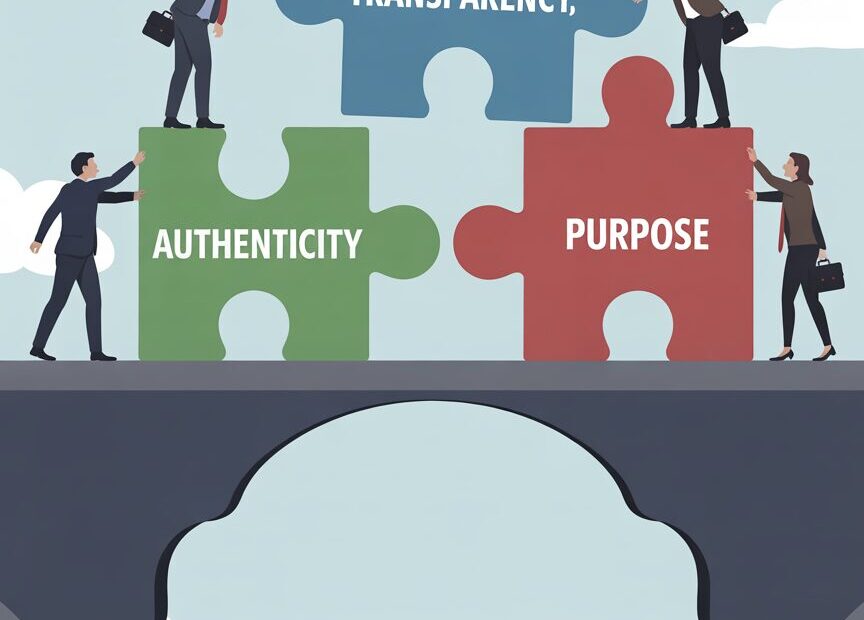
Discover why people don’t trust brands anymore and learn 10 powerful strategies to stand out authentically. Build credibility, transparency, and emotional connection to win back your audience’s trust.
Why People Don’t Trust Brands Anymore (and How to Stand Out)
The Trust Crisis in Modern Branding
In a world saturated with marketing messages, consumers have never been more skeptical. Why people don’t trust brands anymore is one of the defining challenges of modern marketing. Once upon a time, brand logos represented reliability and status. Today, they often symbolize manipulation, false promises, and over-commercialization.
A recent Edelman Trust Barometer report revealed that only 47% of people trust businesses to “do what’s right.” This erosion of trust isn’t just a statistic—it’s a wake-up call for every marketer, entrepreneur, and leader.
But here’s the good news: trust can be rebuilt. Brands that lead with honesty, empathy, and transparency have a real opportunity to stand out in a skeptical world.
The Evolution of Brand Trust: From Legacy to Transparency
The Golden Age of Brand Loyalty
Decades ago, loyalty was automatic. Consumers trusted familiar names because they delivered consistent quality. Coca-Cola, IBM, and Ford didn’t have to explain themselves—reputation alone carried weight.
Back then, brand communication was one-way. Companies spoke; customers listened. The relationship was simple, and expectations were modest.
The Digital Disruption of Trust
Then came the internet. Social media empowered consumers to talk back, share experiences, and expose corporate misconduct. Misinformation spread rapidly, and data breaches became headline news.
Transparency was no longer optional—it became the new currency of trust. Every action, policy, and customer interaction could now be publicly scrutinized. Brands could no longer hide behind glossy ads; they had to earn trust through authenticity.
Top Reasons Why People Don’t Trust Brands Anymore
Over-Promotion and Inauthentic Marketing
Modern consumers are bombarded with over 10,000 brand messages daily. Exaggerated claims and clickbait ads have conditioned audiences to doubt everything. When brands promise perfection, people assume deception.
The fix? Authentic storytelling. Brands that speak honestly about their challenges—and not just their wins—build credibility.
Data Privacy and Ethical Concerns
Nothing destroys trust faster than privacy violations. Companies that misuse customer data or sell it to third parties send a clear message: profit comes before people.
Consumers today demand transparency around how their information is used. Ethical data practices aren’t just legal obligations—they’re trust-builders.
Corporate Scandals and Hidden Agendas
From environmental negligence to misleading claims, scandals have tainted the reputation of many household names. When one brand fails, it impacts the public’s perception of the entire industry.
The key is proactive accountability—owning mistakes and showing genuine steps toward improvement.
Influencer Fatigue and Sponsored Content Overload
Once trusted for their relatability, influencers have become walking billboards. The over-commercialization of influencer marketing has led to declining engagement and growing skepticism.
Consumers crave real stories from real people, not scripted endorsements.
Psychological Impact: What Consumers Really Feel
The Rise of the Skeptical Consumer
Today’s consumers research, compare, and read reviews before making any purchase. They’re hyper-aware of manipulation tactics and have a built-in “trust radar.”
This shift has forced brands to earn every ounce of attention through sincerity, not spin.
Emotional Disconnect Between Brands and Audiences
When brands prioritize profit over purpose, people feel it. The emotional void widens, making it harder to foster loyalty. Modern audiences want empathy, transparency, and shared values, not just clever taglines.
How to Rebuild Brand Trust in 2025 and Beyond
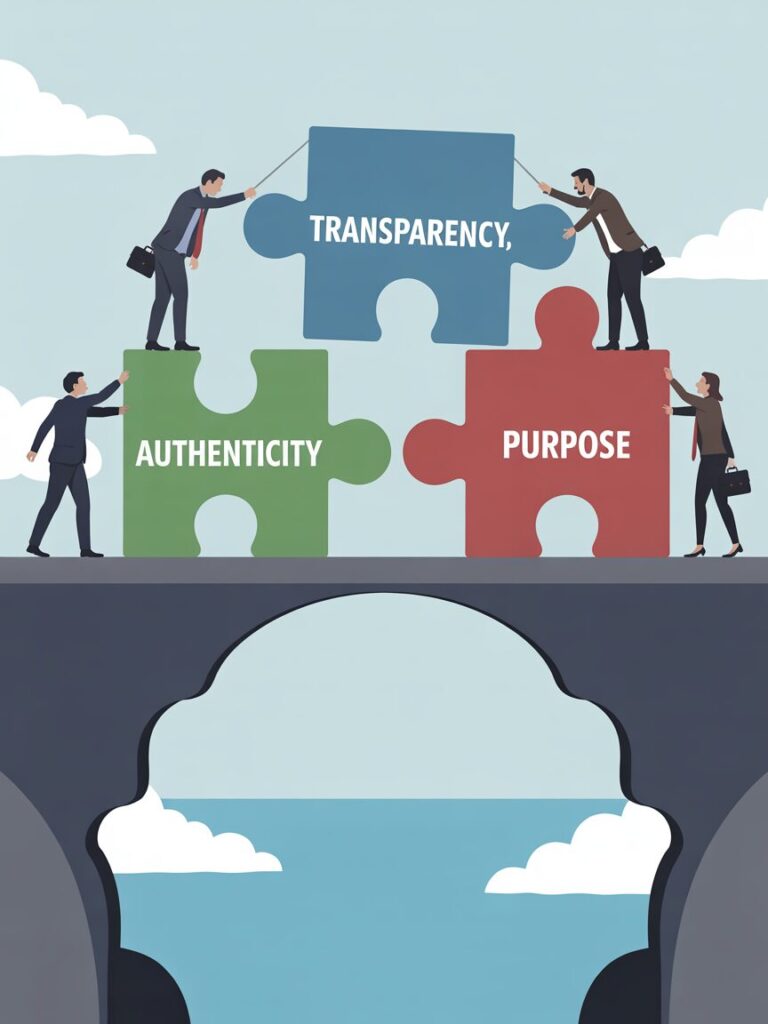
Radical Transparency and Honest Storytelling
Show your work. Let customers peek behind the curtain—share your processes, values, and even your mistakes. Honesty humanizes your brand.
Social Proof, Reviews, and Real Customer Voices
Encourage genuine feedback and feature authentic testimonials. Peer validation is far more powerful than polished ads.
Sustainability and Purpose-Driven Branding
Consumers align with brands that stand for something meaningful. Patagonia, for example, built loyalty by making environmental responsibility its core mission.
Humanizing Your Brand Through Employee Advocacy
Your employees are your most credible ambassadors. Encourage them to share authentic stories about their work and values—this builds trust organically.
The Role of Technology in Restoring Trust
AI, blockchain, and advanced analytics can actually enhance transparency when used ethically. Blockchain-based supply chains, for instance, let customers trace product origins. AI-powered chatbots can improve customer support when they’re designed with empathy and honesty.

Case Studies: Brands That Regained Public Trust
Patagonia’s Environmental Mission
Patagonia turned sustainability into its brand identity, even encouraging people not to buy its products unnecessarily. This radical honesty earned massive respect and loyalty.
Microsoft’s Commitment to Privacy
After years of criticism, Microsoft shifted toward transparency by prioritizing data ethics and privacy features. This move restored its reputation and strengthened customer trust.
FAQs: Why People Don’t Trust Brands Anymore (and How to Stand Out)
1. Why do consumers distrust brands today?
Because of misinformation, unethical practices, and over-commercialized marketing that prioritize profit over integrity.
2. How can brands rebuild consumer trust?
Through transparency, authenticity, and a clear purpose beyond profit.
3. What role does social media play in brand distrust?
Social media amplifies both trust and distrust—brands are praised or exposed instantly.
4. How important is purpose-driven branding?
Extremely. Brands that stand for something meaningful resonate deeper and retain loyalty longer.
5. Can technology help restore trust?
Yes—if used ethically. Transparency tools like blockchain and AI verification boost confidence.
6. What’s the biggest mistake brands make today?
Pretending to be perfect instead of being real.
The Future of Trust in Branding
Trust isn’t just a marketing strategy—it’s the foundation of every long-term relationship. In an era of skepticism, authenticity is the ultimate differentiator. Brands that choose honesty, empathy, and purpose will not only survive but thrive in the years ahead.
To stand out, stop selling—and start connecting.
EXPLORE MORE ON VIBE FOR CREATORS
Learn how to build sustainable income streams and grow with intention inside DIGITAL BUSINESS & INCOME .
Discover tools, platforms, and workflows that support your creative journey in CREATOR TOOLS & RESOURCES .
Discover how artificial intelligence is transforming the creator economy inside AI FOR CREATORS .
Explore powerful tools that help digital creators write, design, and grow faster in AI TOOLS FOR CREATORS .
Learn how to create virtual influencers, digital avatars, and AI-powered creator brands in AI AVATARS & VIRTUAL CREATORS .
Master Pinterest strategy, content creation, and long-term visibility with insights from PINTEREST & CONTENT STRATEGY .
Learn authentic marketing, branding, and audience connection inside MARKETING & BRAND TRUTHS .
Strengthen your confidence, clarity, and inner alignment through PERSONAL GROWTH & MINDSET .
Explore mindset shifts, creator confidence, and intentional growth in CREATOR MINDSET .
Download helpful resources, guides, and tools designed to support your journey in FREEBIES & PRINTABLES .