
You hit publish, and now your brain won’t shut up. Is this good enough? Will it flop? Should you delete it and start a worm farm instead? Welcome to the creator brain rodeo. The truth: your craft relies on your mind, so you need to protect it like your most expensive camera lens. Let’s build mental resilience—so you can keep making great stuff without burning out like a candle at a rave.
Why Creators Burn Out (And What To Do About It)
Creating for an audience feels thrilling until metrics start dictating your mood. One bad post and suddenly you’re spiraling. Sound familiar?
Here’s the mental trap: you tie your identity to performance. When numbers dip, your self-worth takes the hit. Resilience starts when you separate your value from your views. Your work matters because you made it, not because the algorithm nodded politely.
Quick Mindset Reset
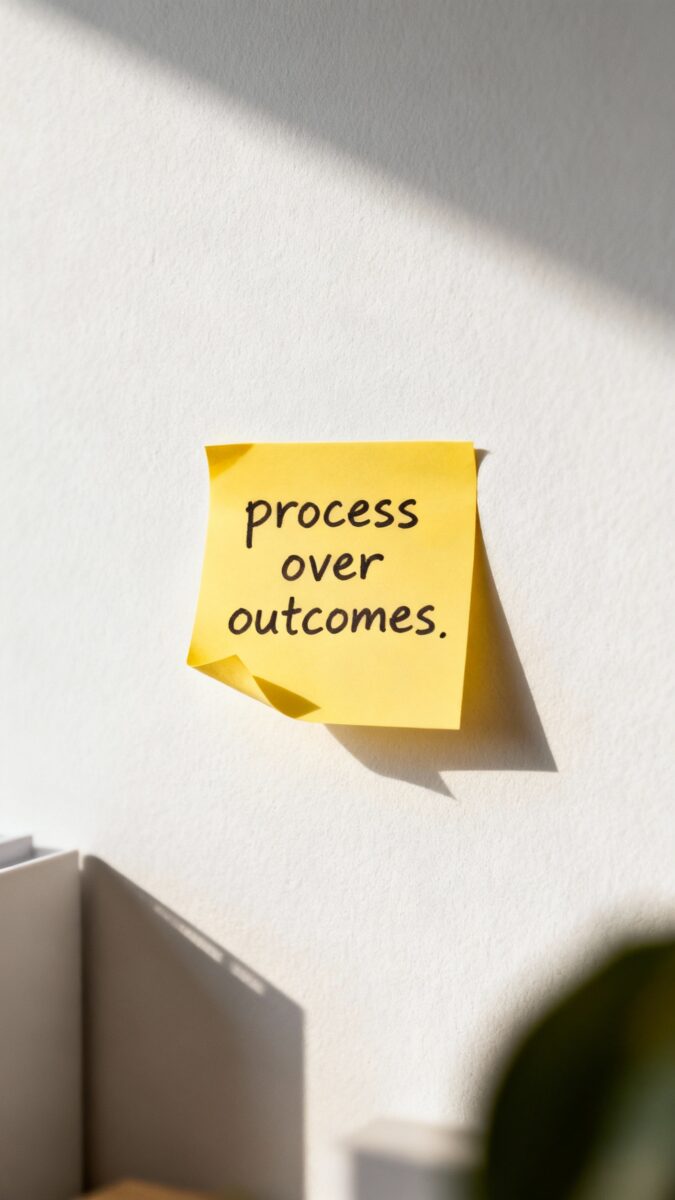
- Define success by process, not just outcomes: Did you publish on schedule? Did you try a new idea? That counts.
- Measure what you control: Consistency, craft, quality beats likes, shares, and mysterious reach.
- Build a creator scoreboard: Track habits (posts, pitches, drafts) over metrics (views, subs).
Design a Sustainable Creative Rhythm

You don’t need more hustle. You need a rhythm that doesn’t wreck your sanity. If your process swings between “I’m a genius” and “I’m a potato,” let’s adjust.
- Create themed days: Research Monday, writing Tuesday, editing Wednesday, publishing Thursday, admin Friday. Less context-switching = fewer meltdowns.
- Batch like a pro: Outline 5 ideas in one sitting. Record multiple videos in one day. Editing feels lighter when you’re in the zone.
- Set a weekly cap: Pick a realistic output you can sustain for 6 months. If it feels heroic, it’s probably unsustainable, IMO.
Energy Management Beats Time Management
- Do high-focus tasks when your brain actually works (morning for most people).
- Schedule breaks like meetings. Move your body, drink water, stare out a window dramatically.
- Create a shutdown ritual: music, a walk, tidy desk. Teach your brain when to switch off.
Build an Anti-Anxiety Publishing System
Hitting publish shouldn’t spike your cortisol every time. Anxiety thrives on uncertainty. Systems calm it down.
- Pre-flight checklist: Title final? Links working? Thumbnails clear? Grammar clean? A list lowers panic.
- Post-and-go rule: After publishing, step away for 30–60 minutes. Don’t watch the numbers like a hawk on espresso.
- Performance review window: Assess 24–72 hours later. One snapshot rarely tells the full story.
Control Your Notifications
- Turn off push notifications for metrics. Yes, all of them. FYI, dopamine can wait.
- Batch comment replies once or twice a day.
- Use filters or assistants to catch spam/trolls so you don’t absorb that chaos.
Tame the Comparison Monster
Creators compare. It’s basically a sport. But it destroys momentum if you let it. Your path isn’t late; it’s yours.
- Curate inputs: Unfollow accounts that trigger envy. Mute “success threads” if they tank your mood.
- Run a personal progress log: Track before-and-after samples of your work every month. Proof you’re improving beats someone else’s highlight reel.
- Borrow, don’t clone: Analyze what you love from others (structure, tone, pacing) and remix it with your voice.
Reframe “Competition”
- Think market segments, not rivals. There’s room for multiple voices.
- Cross-promote peers. Collaboration grows your pie and your sanity.
- Practice genuine compliments. They disarm jealousy faster than any mindset hack.
Develop Emotional Recovery Skills
You’ll get a rude comment, a flop, a brand deal that ghosted you. Resilience doesn’t mean you never feel bad; it means you bounce back faster.
- Use a 24-hour rule: When something stings, don’t react publicly for a day. Let the initial emotion pass.
- Rejection post-mortem: Ask “What’s the lesson?” 1–2 takeaways max. Then move on.
- Celebrate tiny wins: Positive emotion fuels grit. Reward completed drafts, not just big launches.
Boundaries That Keep You Sane
- Set clear availability windows for clients and audience. You’re not on-call 24/7.
- Separate public and private spaces online. Not everything belongs in your content.
- Pick offline anchors: hobbies, partners, workouts. You’re a person, not a content machine.
Train Your Brain Like an Athlete

Your mind powers your output. Train it deliberately. No fluff, just science-backed basics that actually work.
- Sleep 7–9 hours: Creativity tanks without it. Your best ideas show up after rest, not doomscrolling.
- Move daily: Walks double as idea generators. Some of your best hooks arrive at minute 12, like magic.
- Mindfulness, but practical: Try 5 minutes of breathing before work. Box breathing: inhale 4, hold 4, exhale 4, hold 4. Free and effective.
- Journaling sprints: Two minutes to brain-dump worries before you create. You empty the mental cache and reduce friction.
Build a Support Crew
- Find 2–3 creator peers for monthly check-ins. Share wins, vent, trade notes.
- Hire help when possible: editor, thumbnail designer, VA. Buy back your brain.
- If anxiety or depression sticks around, talk to a therapist. Strong move, not a weakness.
Make Feedback Your Superpower
Feedback can crush you or sharpen you. The difference? Filters. Not all opinions get a vote.
- Create a “board of three”: Trusted people who understand your niche. Their feedback counts more than random DMs.
- Ask targeted questions: “Was the intro clear?” beats “Thoughts?”
- Distill critiques into actions: Turn notes into 1–3 changes for the next piece. No endless tweaking.
Deal With Trolls Efficiently
- Delete, block, move on. You don’t owe trolls your energy.
- Respond only if it serves your audience, not your ego.
- Keep a folder of kind comments for rough days. Yes, it’s cheesy. Also yes, it helps.
Create for Longevity, Not Virality

Chasing spikes burns you out. Building a library builds your career. The algorithm changes; your body of work stays.
- Build pillars: Choose 3–5 topics you’ll own. Go deep, not wide.
- Make evergreen assets: Guides, tutorials, templates—content that compounds attention over time.
- Iterate in seasons: Try sprints of experimentation, then refine what works.
Expect Boredom (It’s a Good Sign)
Consistency gets boring. That’s where pros win. When you show up despite low hype, you turn resilience into results, IMO.
FAQ
How do I handle negative comments without spiraling?
Create a response protocol: first, pause 24 hours. Second, filter whether it’s useful criticism or noise. Third, act—either implement the helpful bit or delete and block. Don’t argue. Protect your focus like it’s your rent money.
What if my content keeps flopping?
Run a three-part audit: message (is the hook clear?), packaging (title/thumbnail/first 10 seconds), and distribution (are you posting where your audience actually hangs out?). Make one change per cycle and test for 4–6 posts. Flops teach you faster than wins—if you listen.
How can I stay consistent without burning out?
Lower the bar to “minimum viable output.” Pick a cadence you can hit even on bad weeks. Batch creation, template your workflows, and keep a buffer of drafts. Consistency comes from systems, not willpower.
Do I need to be on every platform?
Nope. Pick one primary, one secondary. Nail the formats and culture of those before you expand. Spreading thin kills quality and joy. Go deep first, then wide if it still makes sense.
How do I balance authenticity with privacy?
Set rules upfront. Decide your “share lines”: what topics are always on-limits, on-occasion, and never. Authenticity means honest within boundaries, not total transparency. You control the frame.
When should I take a break?
When your body starts yelling: poor sleep, dread before work, irritability, or creative flatlines. Plan structured breaks—announce them, pre-schedule posts if needed, and return with a reset plan. Breaks protect the engine, not the ego.
Conclusion
Mental resilience isn’t mystical—it’s systems, boundaries, and habits that keep you creating when the hype fades. Treat your mind like the core asset of your business, because it is. Build routines that support it, friends who steady it, and work that fulfills it. Then hit publish, step away, and let the long game do its thing.
EXPLORE MORE ON VIBE FOR CREATORS
Learn how to build sustainable income streams and grow with intention inside DIGITAL BUSINESS & INCOME .
Discover tools, platforms, and workflows that support your creative journey in CREATOR TOOLS & RESOURCES .
Discover how artificial intelligence is transforming the creator economy inside AI FOR CREATORS .
Explore powerful tools that help digital creators write, design, and grow faster in AI TOOLS FOR CREATORS .
Learn how to create virtual influencers, digital avatars, and AI-powered creator brands in AI AVATARS & VIRTUAL CREATORS .
Master Pinterest strategy, content creation, and long-term visibility with insights from PINTEREST & CONTENT STRATEGY .
Learn authentic marketing, branding, and audience connection inside MARKETING & BRAND TRUTHS .
Strengthen your confidence, clarity, and inner alignment through PERSONAL GROWTH & MINDSET .
Explore mindset shifts, creator confidence, and intentional growth in CREATOR MINDSET .
Download helpful resources, guides, and tools designed to support your journey in FREEBIES & PRINTABLES .