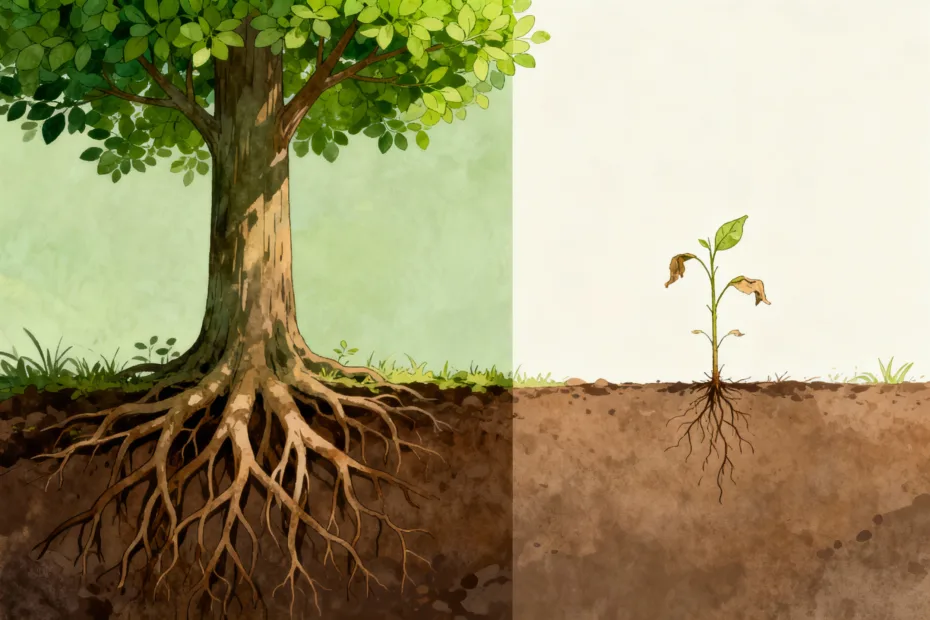
Trends blow through your feed like tumbleweeds. They look fun. They vanish fast. If your content depends on them, your results will vanish too. Let’s build a content strategy that keeps working when the algorithm yawns, the platform pivots, and the trendsetters move on.
Start With the Problem You Actually Solve
Trends distract. Problems endure. Your audience wakes up with the same headaches week after week, and they don’t care if the latest meme uses capybaras or cats.
Define the core problem you solve in one sentence. Then list every obstacle people hit on their way to solving it. That list becomes your content goldmine.
- One-liner: “We help indie SaaS founders get their first 100 paying users.”
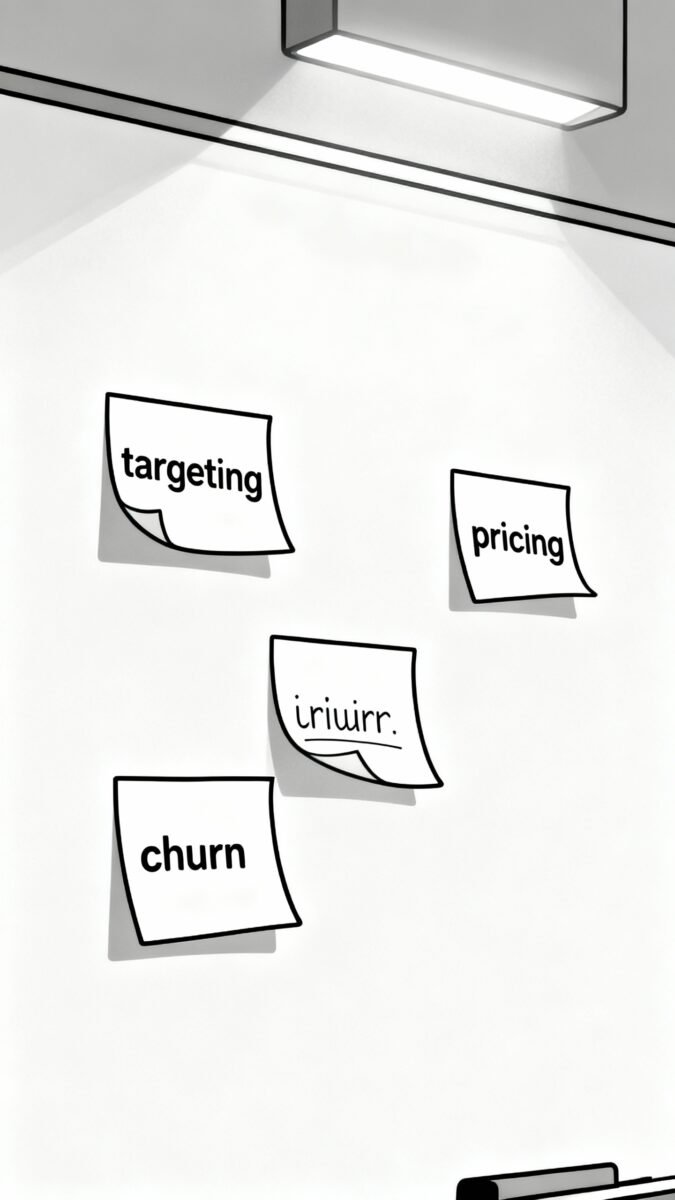
- Obstacles: targeting, positioning, pricing, onboarding, activation, churn, referral loops, analytics basics.
Now map content to those obstacles. Trends can amplify distribution later, but the core stays timeless.
Pick a Strong POV and Stick With It

Neutral content blends into the feed like beige wallpaper. You need a point of view that cuts through.
What do you believe that most people kinda-sorta disagree with? What do you refuse to do even if “best practices” say otherwise? Write those down. Use them like guardrails.
- Example POV: “Stop chasing virality; build predictable distribution channels.”
- Example POV: “Content should sell, not just ‘build authority’ in a vacuum.”
Say it plainly. Repeat it often. People remember repetition, not hedging. FYI, repetition done well feels like a brand, not a broken record.
How to Craft a POV in 20 Minutes
- List 5 takes you’d say to a friend, unfiltered.
- Circle 2 that tie directly to your business model.
- Write one paragraph for each with a story or example.
- Use those as your content spine for a month.
Build a Content Pillar System
Trends come and go. Pillars don’t. Create 3–5 content pillars that cover your audience’s journey. Then rotate them like a playlist so your feed never feels random.
- Education: explainers, frameworks, tutorials
- Action: checklists, templates, scripts
- Proof: case studies, teardowns, before/after
- Opinion: takes, predictions, rants (friendly ones)
- Community: interviews, AMAs, curated expert quotes
Assign each pillar a weekly slot. Example: Mon = Education, Wed = Action, Fri = Proof. It keeps you honest, and your audience knows what to expect.
Make It Tangible With Formats
Don’t reinvent the wheel every time. Pair pillars with predictable formats:
- Education → “3-part mini guides”
- Action → “Swipe file of the week”
- Proof → “Client teardown: what moved the needle”
- Opinion → “Hot take, cool data”
Consistency beats novelty. You can still sprinkle trend-y elements later, but your backbone stays strong.
Prioritize Evergreen Keywords and Questions
Want traffic that compounds? Answer the questions people always ask. Use your analytics, support inbox, and sales calls. These questions never go out of style, which means your content keeps working.
Simple Evergreen Research Stack
- Search console or site search data: what do people already look for?
- Support tickets: what confuses users repeatedly?
- Sales calls/transcripts: objections, pricing questions, ROI doubts
- Community threads: recurring pain points and myths
Turn every question into:
- An SEO-friendly article (clarity first, jargon never)
- A short video with an example
- A downloadable checklist or template
Evergreen beats ephemeral. IMO, if a topic won’t matter in six months, it doesn’t deserve a full article today.
Create Distribution You Control
If your whole plan relies on one platform, you’re basically renting an audience with mood swings. Own your distribution.
- Email newsletter: still the best ROI, still criminally underused
- Search: on-page SEO, internal linking, topic clusters
- Owned community: Slack/Discord/forum where you guide the conversation
- Republishing: syndicate to LinkedIn articles, Medium, industry blogs
Build simple workflows:
- Publish on your site first.
- Send the tl;dr and key quote to your list.
- Slice into 3–5 social posts.
- Repurpose into a short video and a carousel.
Never ship content without a distribution plan. Pressing “publish” is not a strategy. It’s a button.
Measure What Actually Matters

Chasing likes is how strategies die. Choose metrics that connect to business outcomes, not vanity.
- Leading indicators: subscribers gained, email reply rate, average watch time
- Middle indicators: resource downloads, demo requests, trial signups
- Lagging indicators: revenue influenced, retention uplift, expansion
Set simple targets per pillar. Example: Education posts should drive newsletter subs, Proof posts should drive demos. If a format doesn’t move its metric after 6–8 reps, refactor the format, not the whole strategy.
A Quick Feedback Loop
- Weekly: format-level performance (subject lines, hooks, thumbnails)
- Monthly: pillar mix and topic resonance
- Quarterly: attribution to pipeline/revenue
FYI, your best posts often start mid-pack. Great content needs repetitions and better packaging.
Document Processes, Not Just Ideas
You can’t scale if your strategy lives in your head or, worse, in DMs. Create lightweight docs that anyone can follow.
- Editorial calendar: pillars, topics, owners, due dates
- Style guide: voice, POV, banned phrases, formatting rules
- Packaging checklist: headline, hook, CTA, visual, internal links
- Distribution SOP: where, when, and how to repurpose
Keep it scrappy. A living Notion doc beats a dusty handbook. The goal: consistent quality without heroics.
When (and How) to Use Trends Without Depending on Them

Trends can act like seasoning. Sprinkle, don’t pour. Use them to repackage evergreen ideas, not replace them.
- Attach a trending example to a timeless principle.
- Join a conversation only if you can add expertise, not echoes.
- Time-box experiments: one week, one format, one outcome.
If a trend performs, great—turn it into a permanent format. If not, you learned quickly and kept your foundation intact. IMO, that’s how you stay sane and strategic.
FAQ
How often should I publish if I’m prioritizing evergreen content?
Aim for a consistent cadence you can sustain for six months. Weekly works for most teams. If resources feel tight, choose biweekly but increase depth and repurposing. Consistency plus repackaging beats frantic bursts every time.
What if my industry changes fast—won’t evergreen become outdated?
Timeless doesn’t mean static. Cover principles that outlast tool changes, then update examples and screenshots quarterly. Create “living” guides with a change log so you can refresh without rewriting everything.
How do I pick the right content pillars?
Start with the buyer journey: awareness, consideration, decision, and success. Map 1–2 pillars to each stage. If a pillar doesn’t tie to a stage or metric, drop it. Your pillars should reflect how people buy from you, not how you wish they would.
How do I keep a strong POV without sounding obnoxious?
Anchor your takes in data, stories, and results. Critique ideas, not people. Offer alternatives after you call out a bad practice. Confidence reads as helpful when you back it up and show your work.
What tools do I actually need?
Keep it simple: a CMS, an email platform, a project tracker, and basic analytics. Add transcription for repurposing and a design tool for visuals. Tools don’t create strategy—your process does.
How long until I see results?
Expect early signs in 4–8 weeks (subs, replies, shares), pipeline signals in 8–12 weeks, and revenue impact in 3–6 months. Compounding kicks in after consistent publishing and updating. Patience beats panic.
Conclusion
Trends tease you with quick wins, but consistency compounds. Solve real problems. Hold a clear POV. Build pillars, not whirlwinds. Own your distribution, measure what matters, and treat trends like garnish. Do that, and your content will keep working even when the algorithm takes a nap.
EXPLORE MORE ON VIBE FOR CREATORS
Learn how to build sustainable income streams and grow with intention inside DIGITAL BUSINESS & INCOME .
Discover tools, platforms, and workflows that support your creative journey in CREATOR TOOLS & RESOURCES .
Discover how artificial intelligence is transforming the creator economy inside AI FOR CREATORS .
Explore powerful tools that help digital creators write, design, and grow faster in AI TOOLS FOR CREATORS .
Learn how to create virtual influencers, digital avatars, and AI-powered creator brands in AI AVATARS & VIRTUAL CREATORS .
Master Pinterest strategy, content creation, and long-term visibility with insights from PINTEREST & CONTENT STRATEGY .
Learn authentic marketing, branding, and audience connection inside MARKETING & BRAND TRUTHS .
Strengthen your confidence, clarity, and inner alignment through PERSONAL GROWTH & MINDSET .
Explore mindset shifts, creator confidence, and intentional growth in CREATOR MINDSET .
Download helpful resources, guides, and tools designed to support your journey in FREEBIES & PRINTABLES .